
The Impact of Digital Pop Surrealism in the Internet Age
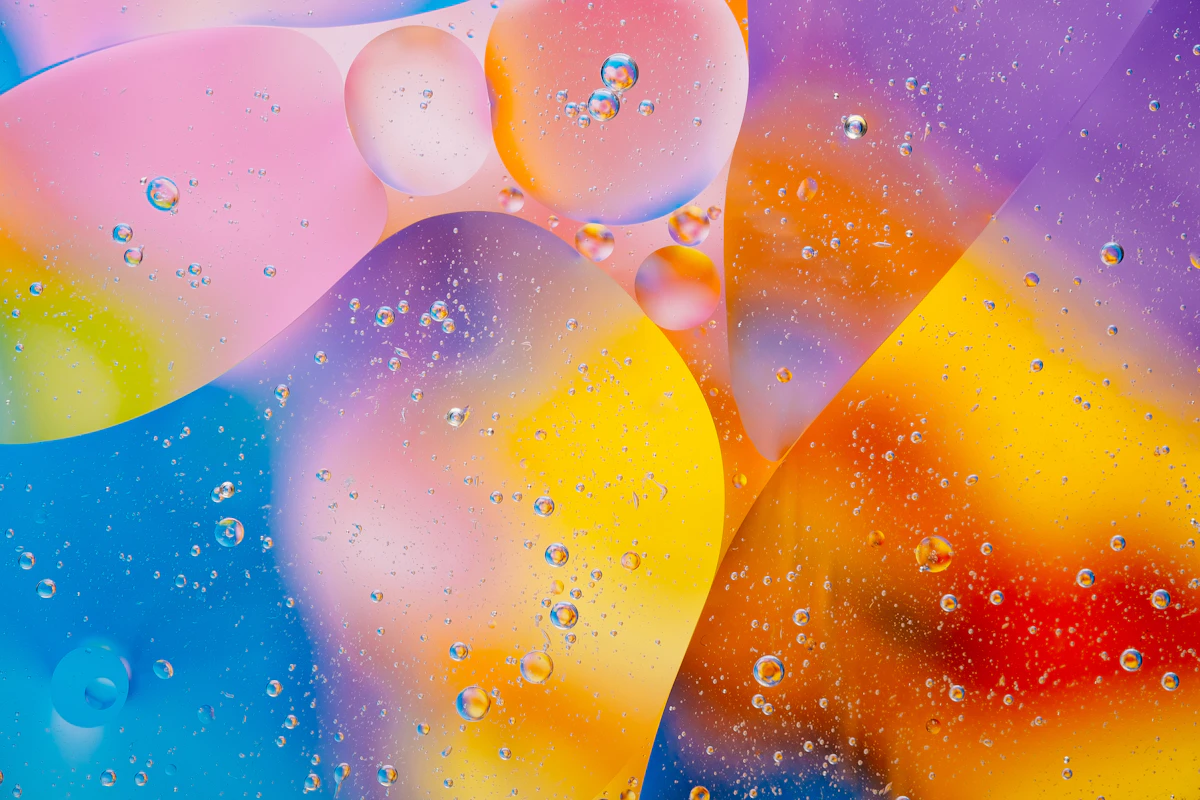
The democratization of GPU computing power, 3D ray-tracing software, and decentralized social networks has catalyzed a radical new movement: Digital Pop Surrealism. Artists are no longer constrained by the physical limits of oil paint or wet darkrooms.
1. The Fusion of Cyberpunk & Lowbrow Aesthetics
Digital pop surrealists synthesize the hyper-saturated hues of anime, early 2000s Y2K web nostalgia, and futuristic cyberpunk cityscapes. By juxtaposing glossy vinyl textures with glitch artifacts, they mirror the sensory overload of human consciousness immersed in endless smartphone feeds.
2. Procedural & Algorithmic Canvas Interventions
Rather than applying individual brushstrokes, digital creators program mathematical algorithms to generate chaotic particle simulations, iridescent liquid metal fluids, and morphing anatomical geometry. This computational alchemy challenges our understanding of human authorship while expanding visual horizons.
3. From Screen Pixels to Physical Gallery Installations
Digital pop surrealism does not remain trapped behind glass monitors. Contemporary practitioners bridge the virtual and tactile worlds by using 3D laser-sintered nylon printing, lenticular holographic printing, and projection-mapped museum installations that allow viewers to walk through rendered virtual landscapes.
4. Digital Scarcity & Provenance Tracking
Decentralized cryptographic registries have given digital artists the power to establish indisputable provenance and enforce limited editions for virtual media. This technological shift has allowed pioneering digital illustrators to achieve legitimate institutional recognition and museum acquisitions worldwide.
5. The Evolution of Generative AI & Human Craftsmanship
The emergence of generative neural networks has sparked intense debate within the digital pop surrealist community. Rather than viewing machine intelligence as a replacement for human expression, leading digital pop artists employ generative models as interactive visual synthesizers�feeding custom trained datasets of their own physical sketches to generate surreal baseline iterations, which are then meticulously sculpted, painted, and textured by hand in 3D modeling environments.
6. Virtual Galleries and Immersive Spatial Exhibitions
The physical constraints of traditional brick-and-mortar gallery architecture are dissolving. Today's leading digital pop surrealists curate multi-room interactive spatial exhibitions within real-time game engines (such as Unreal Engine 5 and Unity). Spectators from Tokyo, London, and S�o Paulo can simultaneously explore glowing neon labyrinth installations and interactive kinetic sculptures through web browsers or spatial computing headsets, setting a new global benchmark for artistic accessibility.
⚡ Critical Reflection
Digital pop surrealism serves as the visual mirror of our digitized existence—capturing the intoxicating dreamscapes and existential anxieties of the 21st-century internet generation.